Don’t get me wrong: I love glitter. There’s something magical about a craft project that sparkles, but after interviewing more than two hundred churches about kids in worship, what shapes children’s ministry, and how congregations grow, I’ve discovered that the brightest ideas don’t come from glitter and glue. The churches that are thriving are shining because they’re building relationships, forming disciples, and helping children belong to the life of the whole church. Here are the top ten trends I’m seeing that are moving children’s ministry, and the church itself, forward.
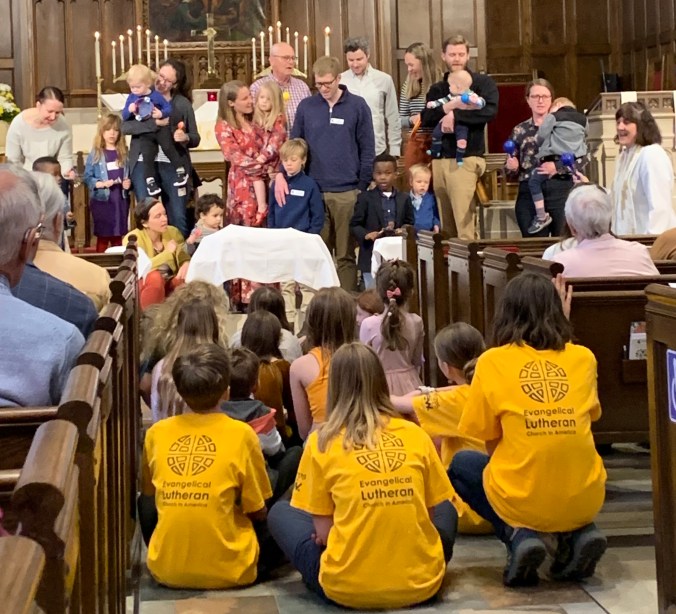
1. Intergenerational ministry is becoming the new normal: No surprise here! Thriving churches intentionally bring generations together rather than keeping everyone separated by age. Children worship alongside adults, serve in leadership roles, read the Bible, assist with Holy Communion, and participate in service projects with older members. When children build relationships with grandparents, empty nesters, young adults, and teenagers, they begin to see the church as their family rather than just a place they attend. Check out Rich Melheim’s book, Let’s Kill Sunday School (Before It Kills the Church), published in 2014. (Along with a friend, we wrote chapter 10 together.) Also, I have a new book coming out entitled: Where Generations Meet: The Gentle Art of Church Grandparenting.
2. Parents are the primary faith teachers: Research suggests that before turning 18, children spend nearly 80% of their waking hours with their parents or caregivers; they are the ones who influence their kids the most — even about faith things. Thriving churches know the greatest influence on a child’s faith isn’t an hour on Sunday, but the everyday moments at home, so they equip parents with simple practices like bedtime blessings, dinner-table conversations, family devotions, and seasonal traditions. Children need to catch their parents praying, reading their Bibles, talking about Jesus, asking for forgiveness, and trusting God through everyday life. After all, faith is less often taught from a church sanctuary than caught around the kitchen table.
3. Faith is not just taught; it’s practiced: Bible stories remain important, but children also need opportunities to live their faith. Healthy ministries teach children how to pray, serve others, practice generosity, celebrate Holy Communion, read Scripture, forgive, and show hospitality. These spiritual practices become habits that shape faith long after childhood. Children learn Christianity by doing Christianity. At Bethlehem, we offer a monthly Baby Book Club to help kids start young with spiritual practices.
4. Belong comes before believing: Many families today who come through the church doors need to see themselves there. Make sure your space—sanctuary included—feels child-friendly and welcoming, form a baby support team, and offer a helping hand. Thriving churches understand that people often need to experience love and acceptance before they fully understand Christian beliefs. Ministries are creating welcoming environments where children and parents feel safe, known, and valued. Relationships become the foundation upon which faith can grow. You can check out my book, Wiggles, Giggles, and Pokes: Kids in Worship, which speaks a lot about belonging.
5. Each kid needs many faith mentors: As I teach in baptism class, a parent or caregiver can never have enough people to love on their child. Research consistently shows that children whose faith lasts into adulthood have relationships with multiple caring Christian adults. Instead of relying on a single Sunday school teacher, thriving churches intentionally connect children with mentors, grandparents, youth, pastors, and volunteers. Every caring conversation helps children know they are part of a larger faith community that walks alongside them.
6. Storytelling is transformational: People are looking for transformation, not information. They can get that from the internet. God’s story is alive, and our work is to tell the story; it’s enough! Kids and adults alike remember stories far longer than sermons. Thriving ministries invite children to tell stories about where they have seen God during the week and how God is working in their lives. They connect children’s stories with God’s story found in the Bible. Storytelling helps children move beyond memorizing Bible facts to discovering how God is active in their own lives.
7. Stop with the overplanning: Many successful churches are doing fewer programs, but doing them better. Instead of filling every evening with activities, they focus on experiences that deepen relationships and spiritual growth. Families already have busy schedules, so churches are becoming intentional about offering meaningful opportunities that fit into everyday life rather than competing with it.
8. Shalom Wholeness: Today’s kids face increasing levels of anxiety, loneliness, grief, and uncertainty. Thriving churches are creating safe places where children can ask difficult questions, express emotions and doubts, receive prayer, and experience God’s love. Rather than avoiding hard conversations, these ministries help children discover that faith offers hope, comfort, and resilience during life’s challenges. For this year’s confirmation, a group of us is writing a large-group/small-group curriculum on life’s big exetentsial questions.
9. Serving as a lifestyle: Children no longer wait until adulthood to serve. Healthy churches involve children in meaningful service opportunities such as collecting food, making blankets, writing encouragement cards, visiting nursing homes, caring for creation, and serving neighbors. These experiences teach children that they are already important participants in God’s way of life to love the world. Start young!
10. Keep the main thing, the main thing: Above all, thriving children’s ministries keep Jesus at the center of everything they do. While games, crafts, technology, and fun events all have value, they are never the goal. Every lesson, activity, worship service, and relationship points children toward knowing and following Jesus. Ministries are asking a new question: “How do we help children become lifelong disciples?” rather than simply, “How do we get more kids to attend?”
The common threads: A shift from programs to relationships and from information to transformation runs through these ten trends. Thriving churches understand that faith grows best when children are known by name, surrounded by caring adults, included in worship, equipped at home, and invited to participate in sharing God’s love. These ministries are not simply preparing children for the future church, but they are helping children discover that they are already an essential part of the church today. As congregations embrace these trends, they create environments where children don’t just learn about Jesus, but they learn to follow Jesus for a lifetime.

