I had a beautiful dream: I would blog every single day during this sabbatical. Daily reflections! Insight! Discipline!
That dream lived a strong, vibrant life…for exactly one week.
Turns out, blogging every day is hard—especially when you’re sick, packing bags, or zigzagging across every corner of the USA like a confused contestant on The Amazing Race.
But there is no way I’m letting this week pass without a post about Holy Humor Sunday—also known as Doubting Thomas, patron saint of “I’m gonna need to see some evidence.”
Everyone loves a good, clean joke—the kind you find on the back of a Laffy Taffy wrapper, where the humor is sweet and the punchlines are questionable but committed:
“Where do polar bears keep their money?”
In a snow bank. (Financial planning, but make it arctic.)
“Why didn’t the teddy bear eat the birthday cake?”
Because it was stuffed. (Honestly, relatable.)
What is Holy Humor Sunday? It is also called Bright Sunday or “Holy Hilarity Sunday,” and it is what happens when the church collectively decides, “You know what? Resurrection deserves a laugh.” Celebrated the Sunday after Easter, it’s all about joy, mischief, and holy giggles. It’s actually a comeback of an old tradition where Christians basically said God pulled the ultimate prank on the devil. The tomb? Empty. Death? Defeated. Divine joke delivered. (Check out this article on Holy Humor Sunday.)
Why participate? Participating in Holy Humor Sunday isn’t just about telling jokes; it’s about living into the full joy of the resurrection. Easter isn’t polite or quiet; it’s surprising, disruptive, and even a little playful. Laughter helps people feel the good news, not just hear it. It also reminds us that faith isn’t only serious, but it’s deeply joyful. Humor breaks down walls, welcomes newcomers, and gives people permission to breathe. In a world that feels heavy, choosing laughter in church is a bold way of saying: death doesn’t get the last word—joy does. (Check out this blogpost from Rev. Dr. Karl Jacobson on Humor and Preaching.)
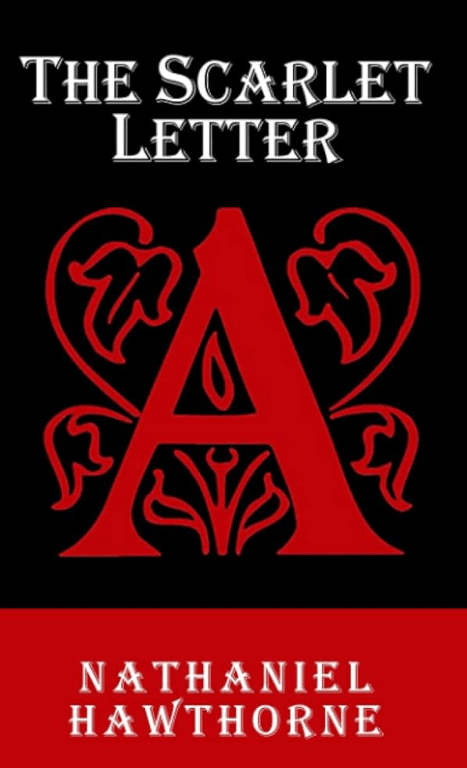
Wait, What? My son Noah, as a 9th grader, read The Scarlet Letter (written in 1850, which already feels suspicious). When he finished, he said, “Mom, I did not understand this book.”
Fair.
So I asked, “Do you know what the ‘A’ on Hester Prynne’s smock means?”
Blank stare. Shoulder shrug. Zero clues.
Naturally, I did what any reasonable parent would do: I grabbed my fingers and turned them into puppets.
Right index finger: “This is Hester.”
Right middle finger: “This is her husband. He goes off to war.” (Middle finger disappears—very dramatic.)
Left index finger: “This is the pastor… and he kisses Hester.” (Cue awkward finger romance.)
Right pinky: “Surprise! Pearl is born.”
Right middle finger pops back up: “Husband returns… and, uh… Pearl is not his.”
Left index finger, waving proudly: “Pastor’s kid!”
As I performed this Oscar-worthy production, I watched Noah’s brain try to keep up. His eyes got bigger. His posture shifted. And then, in full teenage voice crack, he shouted:
“WAIT—WHAT?! What just happened?!”
Honestly, that reaction? That’s not just for 9th grade English. That’s also how people respond to the Bible.
Because scripture is full of moments where you stop, blink twice, and say, “Wait… WHAT?” Love, scandal, betrayal, mystery, the supernatural; it’s all in there. And those are the stories that stick. The ones that grab your attention, mess with your expectations, and leave your jaw on the floor.
Jesus appearing to the disciples and Thomas is one of those “wait, what just happened?” kind of stories. Here are five lighthearted (but meaningful) takes on John 20:19–31—aka The Gospel According to “Wait…What Just Happened?”:
- Locked doors don’t stop Jesus: The disciples are hiding behind locked doors, probably triple-checking the deadbolt and whispering, “Freeze. No one move.” And then—boom—Jesus just shows up in the room. No knocking, no doorbell, no warning. Apparently, resurrection comes with a “walk through walls” feature. It’s both comforting and slightly terrifying.
- “Peace be with you” because clearly the disciples needed it:
Jesus says, “Peace be with you,” which is a lovely greeting unless you’ve just appeared out of thin air and scared everyone half to death. At that point, peace feels less like a blessing and more like damage control. He says it twice, which feels right. Once for the shock, once for the recovery. - Thomas gets a bad rap: Poor Thomas. History remembers him as “Doubting Thomas,” but really, he’s just the only one saying out loud what everyone else is thinking: “I’m gonna need to see some receipts.” The other disciples saw Jesus already; Thomas probably went to get some food and just wanted equal access. This isn’t doubt; it’s fairness and maybe a little healthy skepticism.
- Jesus meets people where they are: When Jesus shows up again, he doesn’t roll his eyes at Thomas or say, “Seriously?” Instead, he invites him in: “Go ahead, touch the wounds.” It’s the most compassionate mic-drop moment ever. Jesus doesn’t shame doubt, but he engages it. Which is good news for anyone who has ever had questions and felt awkward about asking them.
- Blessed are those who haven’t see and still believe: Then Jesus turns to the future, which includes us, and says, “Blessed are those who have not seen and yet have come to believe.” This is encouraging because most of us are working with secondhand stories, faith, and a lot of hope. No surprise appearances in our living rooms, just the quiet, stubborn belief that resurrection is still real and still happening.
At the end of the day, we are the ones Jesus was talking about; we believe without seeing, trusting without the dramatic entrance through locked doors. We don’t get the visual proof Thomas had. What we get is faith and, honestly, sometimes a little laughter to carry us through.
Humor becomes its own kind of hope, a way of saying, “This story still has life.” If resurrection is real, then joy, even stubborn, giggling joy, might be the closest thing we have to seeing it. So here is one last joke to keep you in that spirit:
I like to think the resurrection is God’s ultimate joke—
not a dad joke that you groan at, but the kind that completely flips the script.
Creation said, “That’s the end.”
God said, “Oh, you thought that was the ending?”
Turns out, the real punchline is this:
the tomb is empty and death didn’t get the last word.
Joy did. Jaw drop. Wait, what just happened? Jesus was raised from the dead. For you.
 StoryBoard