Parenting is a calling. It’s a fact. But I could also add parentheses in front of that statement because families come in all shapes and sizes. The parentheses can be (co)parenting, (grand)parenting, or (foster)parenting, and those are callings, too. So when I use the term “Parenting is a calling,” please insert a parentheses as necessary.
So what does that even mean to say “Parenting is a calling?”
Martin Luther viewed parenting as a sacred calling from God. He believed that parents have a vital role in nurturing, educating, and discipling their children, not just for earthly matters but for eternal life. I think it would be fair to say that Luther would call a parent a child’s first pastor. I mean, Luther in his Large Catechism wrote that parents are God’s representatives on earth. It’s their job to teach their children about faith and to pass down the the stories about God’s love to them.
My favorite Bible verse is Psalm 78:1-4. It is a an incredibly powerful and meaningful passage to parents, grandparents, baptismal sponsors, and the congregation to know that it is their job to pass down the faith to the younger generations. Why? Check out below:
- Ready to Act: This passage isn’t just a passive statement—it’s a command to be deliberate about sharing the faith. It’s about being proactive in teaching the younger generation what God has done for you, for them, and for all people. Psalm 78:1-4 reminds you of your role in shaping future generations in faith including your children.
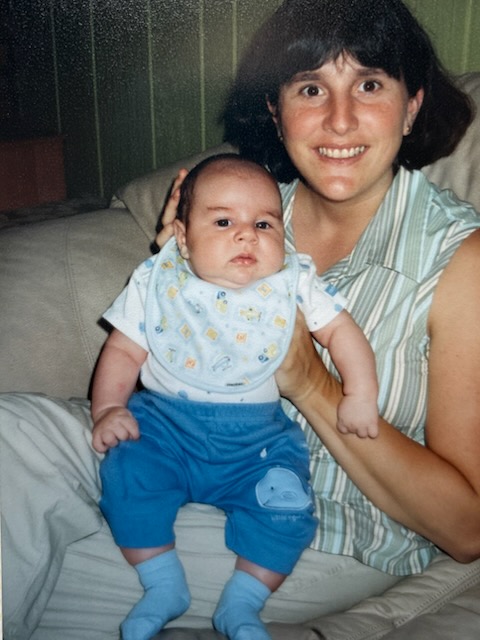
2. How do you want to be remembered? Pay attention to verse 4 and importance of passing down “God’s deeds and praiseworthy acts” to the next generation. This encourages parents and all people in the congregation to not just keep the faith for themselves but to share it actively with others, especially children. This is called a legacy of faith, and it is how you will be remembered. You role as a kid’s first pastor is to ensure that God’s stories, miracles, and commandments are passed down and remembered across generations. This idea of leaving a spiritual legacy can be deeply comforting and motivating. It shows that your faith can have a lasting impact far beyond your own lifetime.

3. Don’t Forget to Listen: From the first verse, the psalmist calls God’s people to listen. In our listening, we are called to receive the wisdom passed down from their ancestors. Listening means we learn from our history and highlight the experiences of those who came before us. This is a beautiful reminder that listening, learning, and loving is a lifelong process.
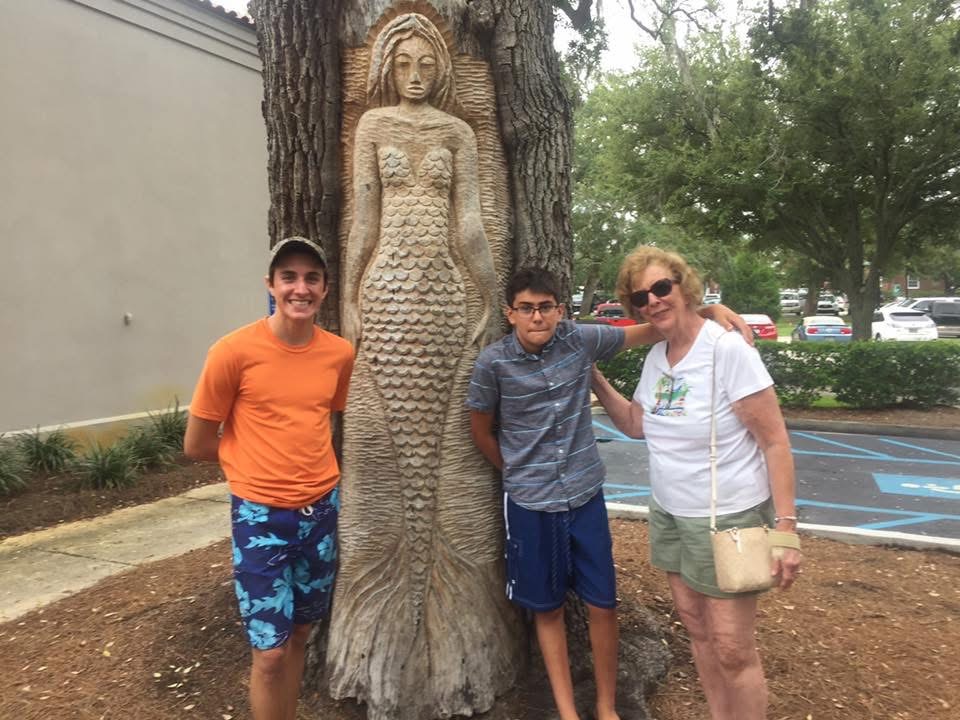
4. Miracles Surround You: I have been with my mom this week. She received a miracle on a blood clot. The doctor was able to drain it, and after some therapy, she received new life. Just like the psalmist speaks about God’s power, wonders, and praiseworthy deeds in the past (verse 4), we can still see these today. Miracles are all about God’s faithfulness. Remember this Bible story can inspire deep gratitude and admiration for God’s faithfulness and encourage you to recount and share these miracles with your children.
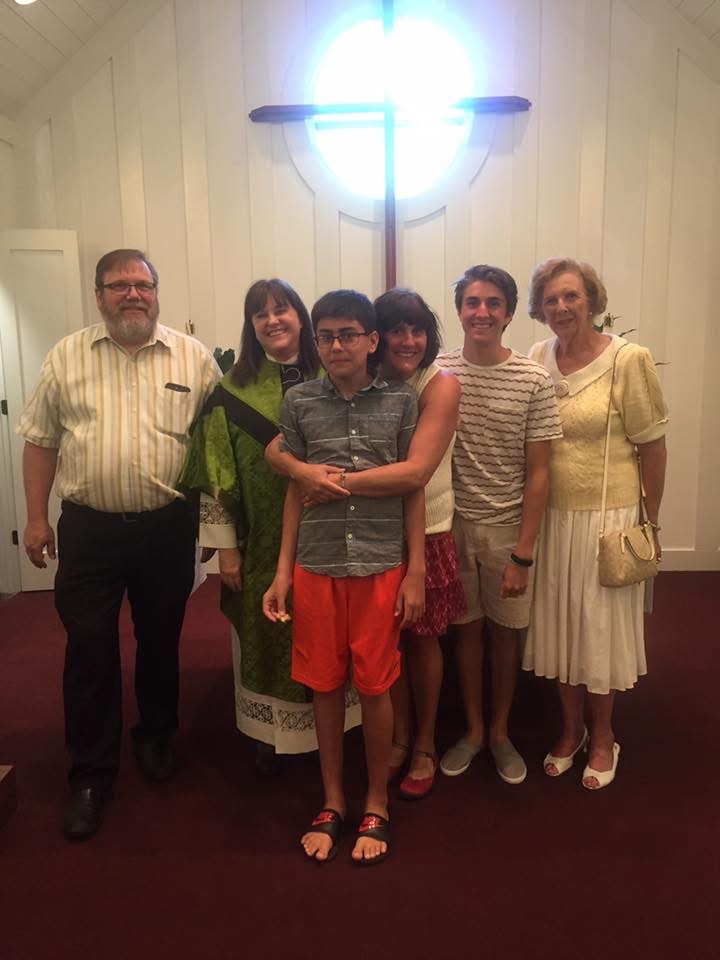
5. We all Die: My son, Jake, died on December 23, 2024. You can read about it here. The only way I “Rest In Peace” is to know that he was a person of faith, baptized, and believed in a God who loved him. Even when he could not admit about his love for God, I reminded him that God was enough for both of us. Passing on the faith to your children is not only a calling, but it is about life and death.

Parents are tasked with shaping the next generation through teaching, discipline, and example. By nurturing faith, values, and character, parents participate in God’s redemptive plan. This calling requires patience, sacrifice, and prayer as parents help their children grow spiritually, emotionally, and physically. Ultimately, parenting is an opportunity to live out God’s purpose, and in doing that, you cultivate a legacy of faith and love for generations to come.
 StoryBoard